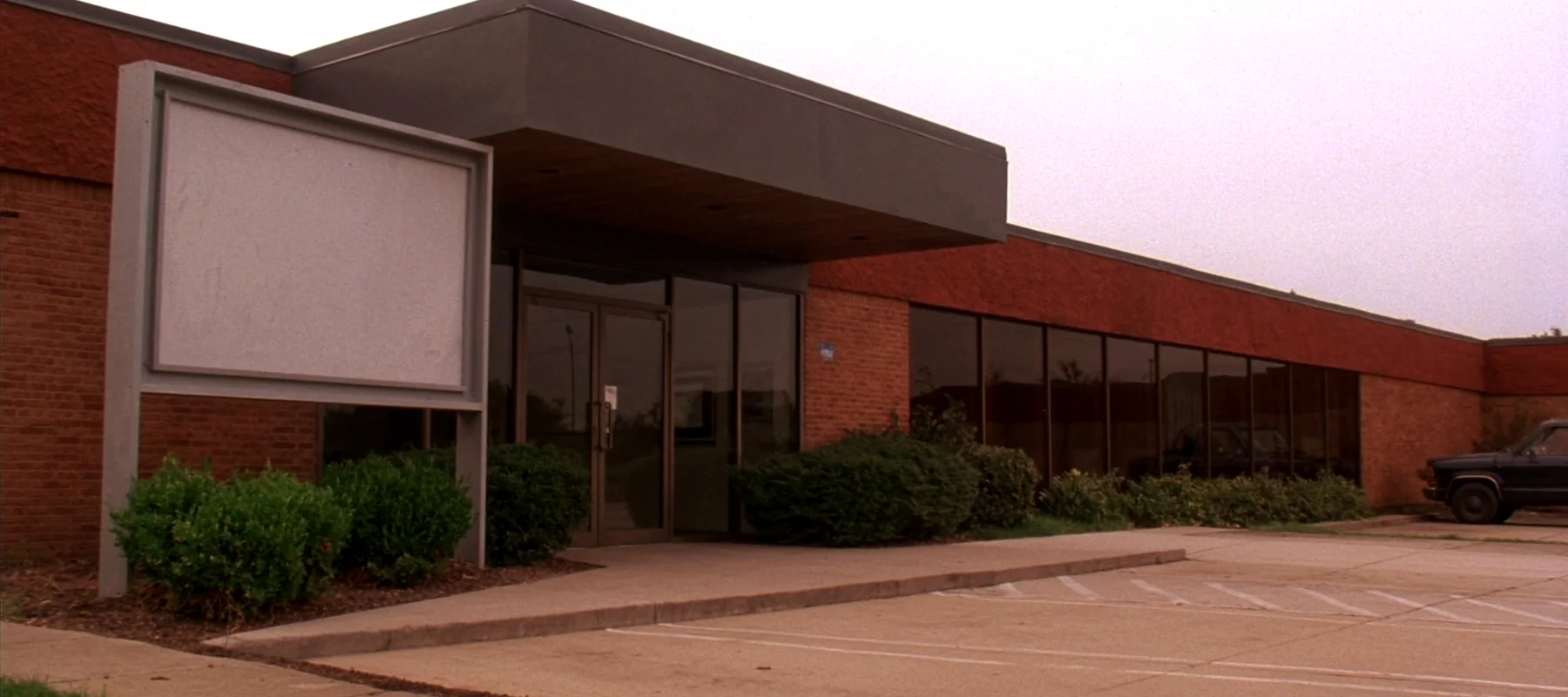
This is a design mockup. First Ray Foot Care is an invented practice. Every price, hour, address and telephone number below is a placeholder, nobody here treats anybody, and nothing on this page is medical advice.
First Ray Foot CarePodiatry · Smithville, Missouri
Five foot problems, and how fast each one gets worse.
One doctor, one office on 169. Nails, calluses, ingrown toenails, heel pain, bunions, custom orthotics and diabetic wound care. Almost everything here is quick and cheap early and slow and expensive late, so this page is arranged by how much time you have rather than by what we call it.
Acute problems
Seen the same week. An infected nail is not a two month wait.
Wound clinic
Tuesday and Thursday mornings, held for ulcers and post-operative feet.
Cover
Medicare, Medicaid and most commercial plans. Cash prices are posted below.
The five clocks
Every one of these is a clock. They just run at different speeds.
The bar under each heading is the honest time scale of that condition, not a waiting time and not a promise. Read the units. One of them is in days and one of them is in years, and the difference is the whole reason to read this before booking.
Days
An ingrown toenail
The nail edge is already through the skin. From there it is a straight line: sore, then swollen and weeping, then a genuine soft tissue infection, and the treatment gets bigger at every step while the fix at the start is ten minutes.
Day 1Day 3Day 7Day 14
Seen in the first few days
Local anaesthetic at the base of the toe, the offending border of nail removed, dressed, and you walk out. Ten to fifteen minutes in the chair. If it keeps coming back the matrix under that border is treated at the same visit so it does not grow again.
Left two weeks
Granulation tissue builds over the nail edge and has to be removed as well, an oral antibiotic is usually needed first, and the procedure is done on an infected toe instead of a clean one. Same operation, worse day, and a course of antibiotics that was avoidable.
Weeks, and it resets every morning
Plantar heel pain
The classic first step out of bed. The tissue shortens overnight and gets torn again on the first few strides, which is why it hurts most at the start of the day and eases as you move. That daily reset is what makes it drag on.
Week 1Week 6Month 6Year 1+
Started early
A stretching routine done properly, low dye taping to prove the mechanics before any device is made, a change of shoe, and a supportive insert or a custom orthotic if the taping helped. Most people are substantially better inside three months on that alone.
Carried for a year
Once it is chronic every treatment works less well, including the ones that would have worked at week six. The gait changes to protect it, and the knee, hip and other foot start complaining. This is the condition people most regret waiting on.
Months
A plantar wart
Not a callus, though it looks like one and gets pared like one for a year before anyone checks. It is a virus in the top layer of skin, it spreads to its own neighbours, and it is measured in months whatever you do.
Month 1Month 6Year 2
Treated as a wart
Debrided down so the treatment reaches living tissue, then acid or cryotherapy over several visits two to three weeks apart. It is slow and it is meant to be. A single lesion usually clears in a handful of visits.
Treated as a callus
Paring a wart flat feels like progress and does nothing to the virus. It seeds satellites around itself, and a scatter of small warts merged into one mosaic patch takes several times as long to clear as the single lesion did.
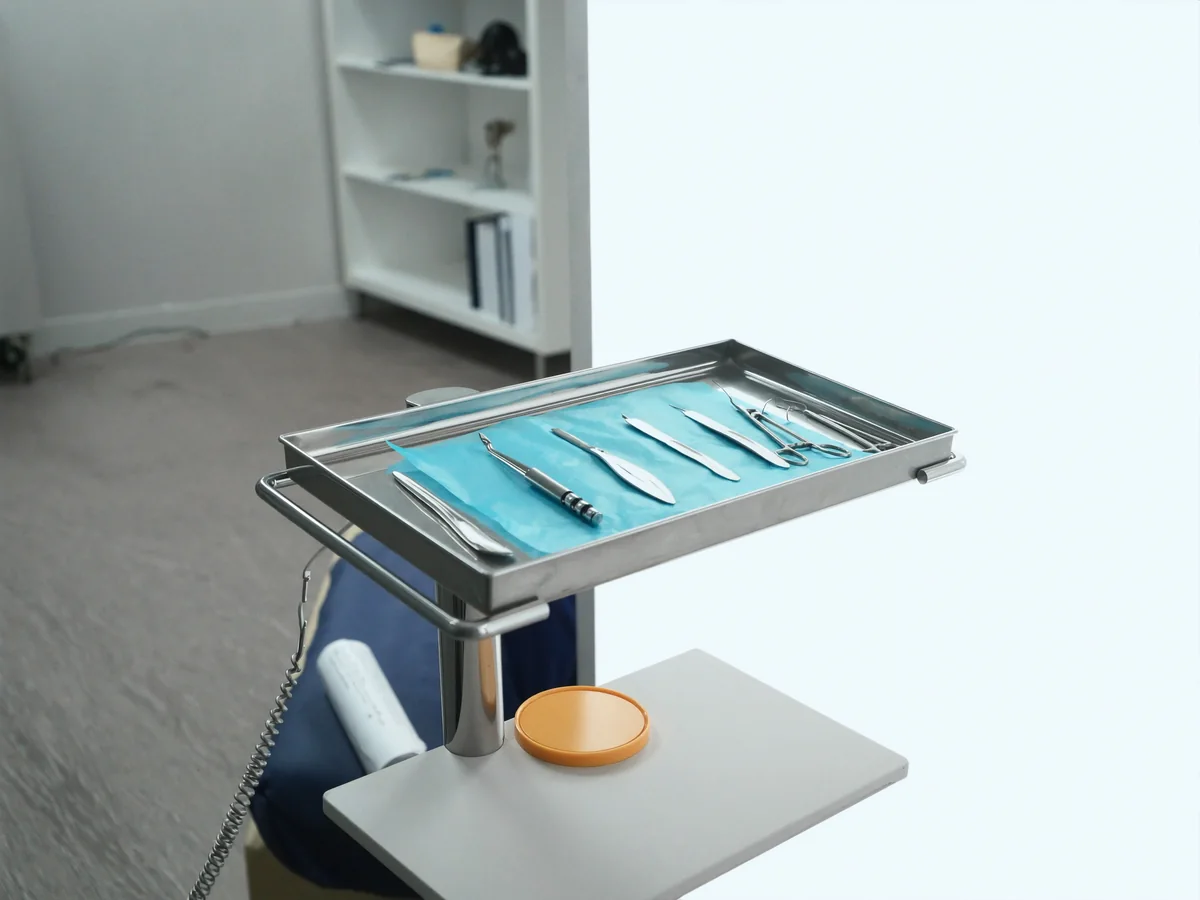
Everything above the fourth bar is done at this tray, in one visit.
Years
A bunion
The joint at the base of the big toe drifts, slowly, and nothing non surgical reverses it. That is worth saying plainly, because a great deal is sold on the opposite claim. What can be changed is how fast it hurts and how much of the rest of the foot it takes with it.
Year 1Year 5Year 15
Managed
A wider toe box, padding, and an orthotic that controls the pronation driving it. None of that straightens the toe. All of it buys comfortable years, and it keeps the second toe from being pushed up and out of its own joint, which is the part that turns one operation into three.
Ignored
The big toe joint stiffens, the second toe rides over, calluses build under the second and third joints where the load has moved, and what would have been a straightforward correction becomes a longer operation on more than one toe.
Four weeks, and this one is a rule
A diabetic foot ulcer
This is the only clock on the page with a number attached to it, and it is the reason the wound clinic exists. Everything above is comfort and function. This one is about keeping the foot.
Week 0Week 4Week 12
Half the area by week four.
A wound that has not closed by roughly half its original area at four weeks is unlikely to be healed at twelve on the same plan. That is the widely used clinical checkpoint, and its whole value is that it arrives early enough to change something. It is a prompt to reassess, not a verdict.
What is actually measured
Length by width at every visit, written down, plus depth and whether the probe reaches bone. Offloading is the treatment that decides most of it: a wound on a foot that keeps being walked on does not close, however good the dressing is.
What changes at week four
Reassess the blood supply, culture properly rather than swabbing the surface, escalate the offloading to a total contact cast or a fixed walker, and refer for vascular studies if the pulses are not there. Not more of the same for another eight weeks.
Bring your shoes
The most useful thing in the room is usually the pair you walked in wearing.
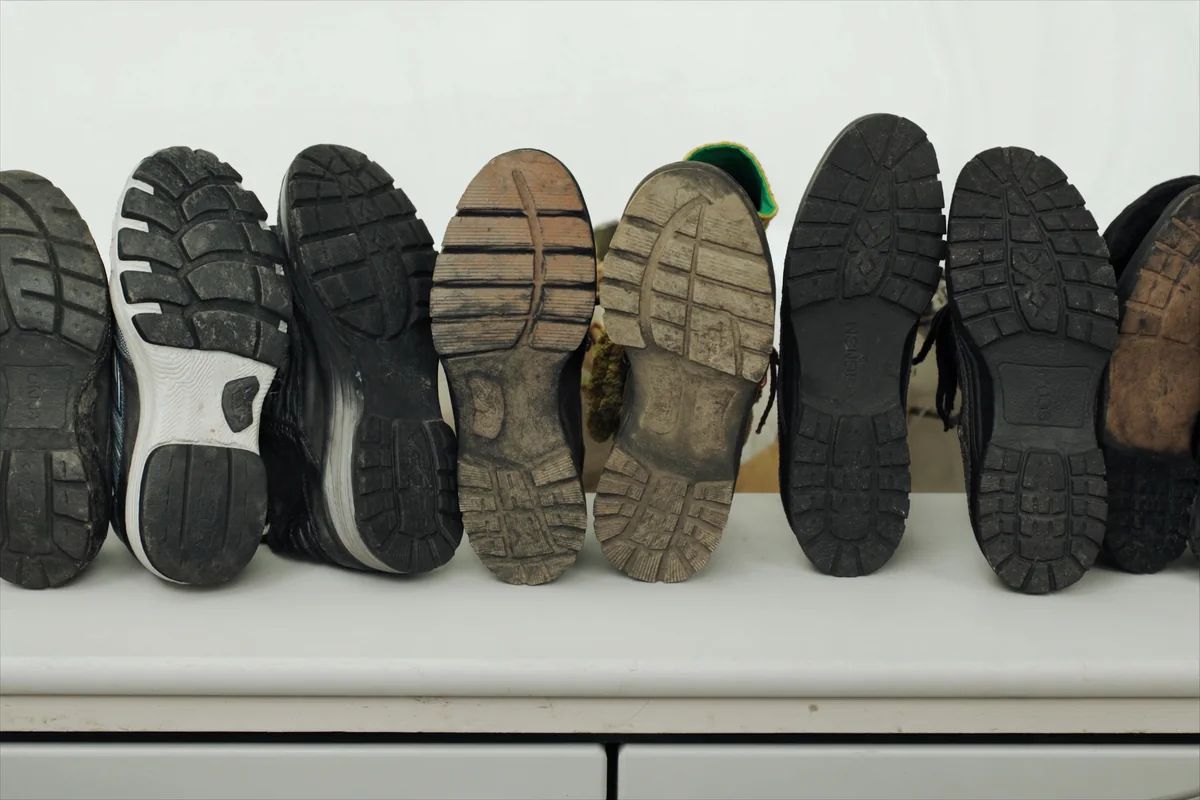
Turn a shoe over and the wear tells you what the foot is doing with it. Worn at the outer heel and nowhere else is ordinary. Worn through under the ball on the inside edge is a foot rolling in. A hole under the second joint is load that has moved off the big toe, and that is the spot a diabetic ulcer starts.
So bring the shoes you actually wear, not the good pair. Work boots, the trainers you mow in, the ones by the back door. They are the only record of the last eighteen months of walking and there is no test that replaces them.
Outer heel, flat under the ball, inner forefoot. Three different feet.
Cost
What it costs if you are paying for it yourself.
Posted here because the two questions the phone gets all day are what a visit costs and whether the nails are covered. Both are answerable in writing.
Cash prices, no insurance
Visit or procedure
Price
New patient assessment History, examination, pulses, sensation, gait, and a written plan.
$135
Established visit Follow up on a problem already assessed here.
$85
Routine nail and callus care Both feet, thick or fungal nails included.
$65
Ingrown nail, one border Local anaesthetic, partial avulsion, dressing.
$225
Same, with matrix treatment Adds the chemical treatment that stops that border regrowing.
$290
Custom orthotics, pair Casting, prescription, fabrication and the fitting visit.
$425
Wound visit Debridement, measurement, dressing and offloading review.
$110
If you are on Medicare
Routine nail and callus care is not normally covered on its own. It becomes covered when the feet are classed at risk, most often through diabetes with loss of protective sensation or through poor circulation, and then it runs on an interval rather than on demand.
There is also a shoe benefit most people never use: for qualifying diabetic patients, one pair of therapeutic shoes and three pairs of inserts per calendar year, prescribed and fitted. It expires at the end of December and does not roll over.
We check eligibility at the first visit and tell you which category you fall in before anything is booked, because the difference between the two is the entire bill.
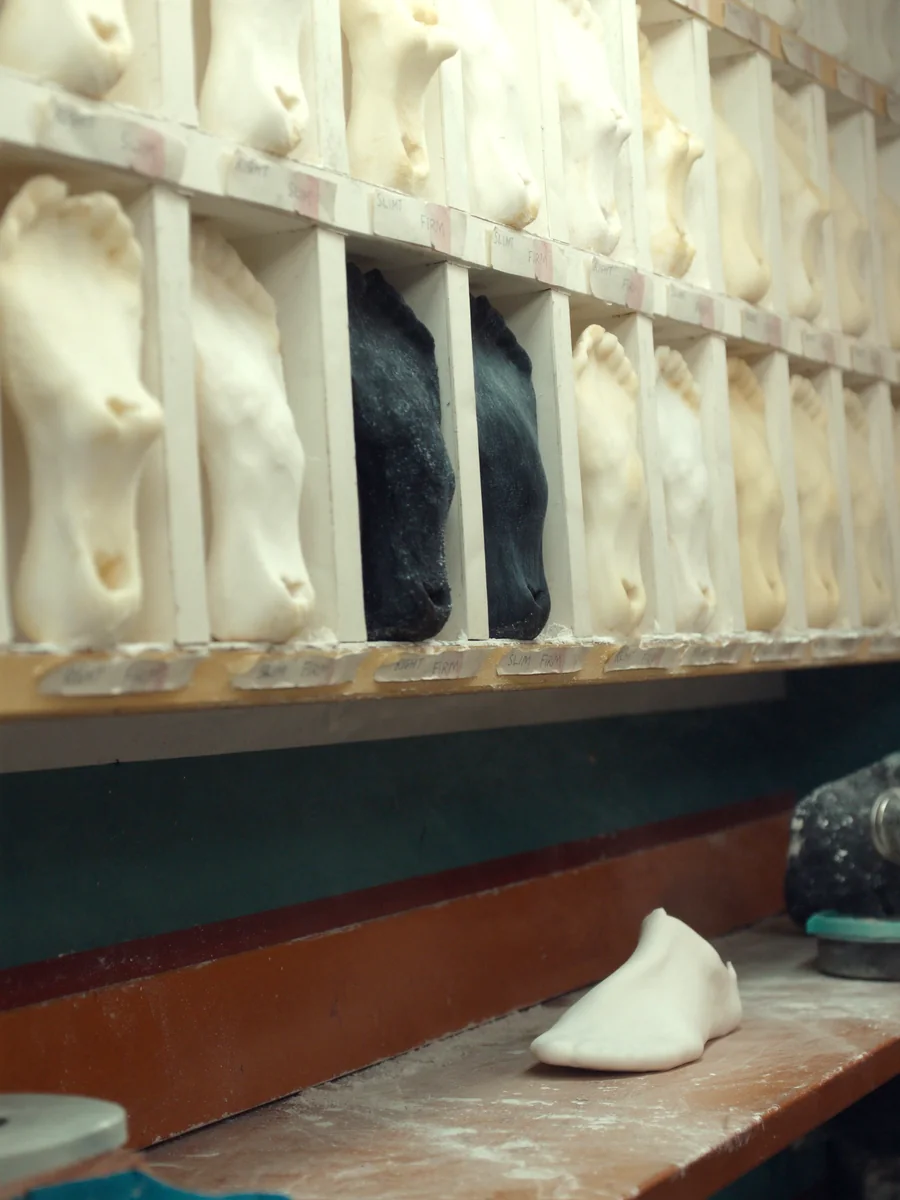
Shells waiting on their fitting visits.
Do not wait for an appointment slot for any of these.
A break in the skin on a diabetic foot, however small, and whether or not it hurts. Especially if it does not hurt.
Redness spreading up the foot or ankle, a foot that is hot to the touch, a fever, or a smell.
A foot that has suddenly become swollen, red and warm with no injury you can point to, particularly with diabetic neuropathy. That picture can be a Charcot foot and the window to protect it is short.
A wound that is deep enough to see or probe anything firm at the bottom of it.
A cold, pale, painful foot, or an ulcer with no pulse under it.
Call the office. If it is out of hours, go to the emergency department rather than leaving it until Monday.
Where the office is, and what to bring.
The office
123 Main St, Suite E Smithville, MO 64089
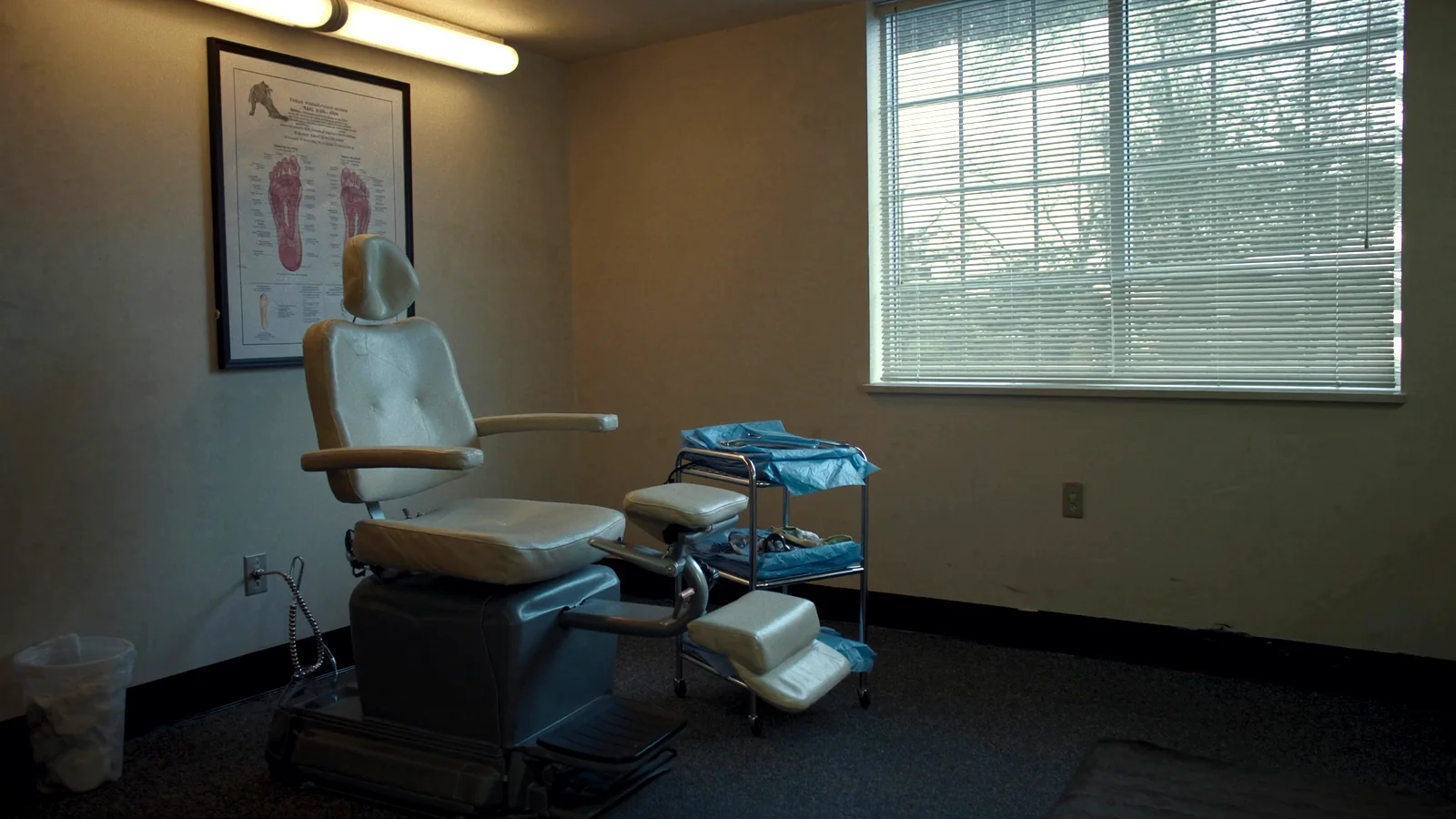
Ground floor at the north end of the building, last door past the pharmacy. Park in front. There is no step at the door and the chair goes flat, which matters more than it sounds if you are coming in with a boot on.
Hours
Monday to Wednesday
9 to 4
Thursday
12 to 7
Friday
9 to 4
Saturday, Sunday
Closed
Thursday runs late on purpose, for people who cannot take a morning off work.
Bring
The shoes you actually wear. Your insurance card. A list of what you take, including anything for blood thinning. If you have had imaging on the foot, the disc or the report.